

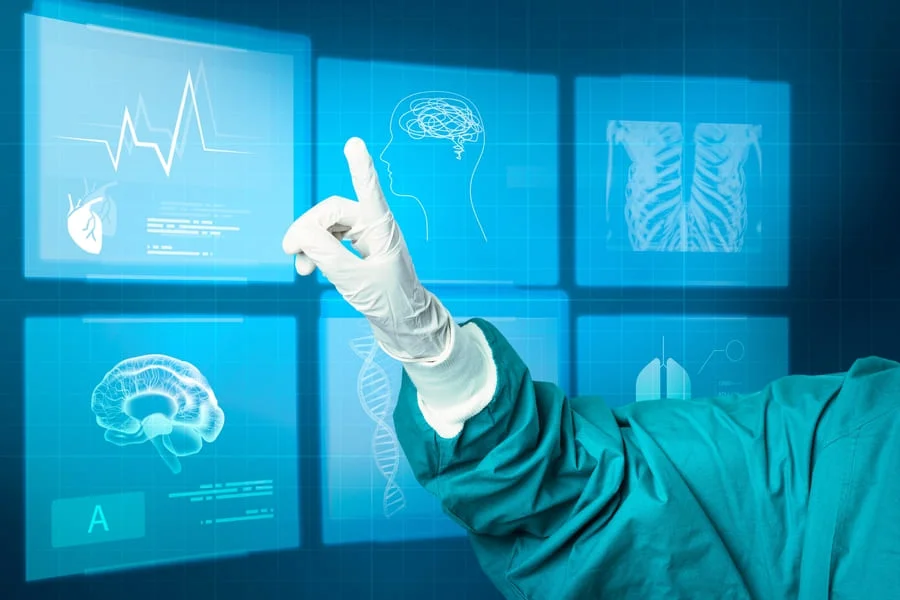
The healthcare industry is experiencing a technological transformation. As patients demand more personalized and efficient care, healthcare providers are increasingly adopting multilingual AI software development solutions and advanced software to stay ahead. By 2026, these technologies are expected to reshape patient care, streamline clinical operations, and enhance decision-making in ways previously unimaginable.
AI’s Impact on Modern Healthcare
Artificial Intelligence is becoming a cornerstone of healthcare innovation. From predictive analytics to automated diagnostics, AI integration services are helping medical teams deliver faster and more accurate care. Predictive models analyze patient histories to forecast disease progression, anticipate complications, and guide treatment decisions. Meanwhile, integration of AI into hospital systems ensures clinicians can access real-time insights without disrupting daily workflows.
Generative AI is also gaining traction, enabling healthcare providers to simulate clinical scenarios, create synthetic datasets, and accelerate research, particularly in areas with limited patient data. Combined with tailored healthcare software development services, these technologies offer both operational efficiency and more personalized patient experiences.
Key AI Technologies Transforming Healthcare
- Machine Learning & Predictive Analytics – By analyzing large datasets, AI can identify patterns, predict patient deterioration, forecast disease outbreaks, and support early interventions for high-risk patients.
- Natural Language Processing (NLP) – NLP tools automate documentation, transcribe medical notes, and extract insights from unstructured clinical data, reducing administrative burdens.
- Generative AI – From simulating patient scenarios to supporting drug discovery, generative AI development services accelerate research and innovation.
- Computer Vision – AI-powered image analysis improves diagnostic accuracy in radiology, pathology, and real-time patient monitoring.
- Robotics & Automation – Automating repetitive tasks like appointment scheduling and claims processing allows healthcare staff to focus more on patient care.
Benefits of AI in Healthcare
The integration of AI brings numerous advantages:
- Improved Diagnostics – Faster, more accurate detection of diseases through complex data analysis.
- Personalized Treatments – AI-driven insights help tailor therapies to individual patient profiles.
- Operational Efficiency – Automation reduces errors and lowers costs.
- Predictive Care – Early identification of potential health risks enables preventive interventions.
- Enhanced Research – AI accelerates simulations and data generation for drug development.
By embedding these AI software development solutions into everyday operations, hospitals and clinics can deliver care that is smarter, faster, and more patient-focused.
AI in Telemedicine and Remote Monitoring
The rise of telemedicine has transformed how care is delivered. AI-powered telehealth platforms can analyze patient data in real-time, recommend triage protocols, and alert clinicians to emergencies. Similarly, remote patient monitoring (RPM) devices track vital signs, sleep patterns, and chronic disease indicators. When paired with AI, these tools can detect anomalies, predict health deterioration, and provide actionable insights to both patients and providers, demonstrating the value of comprehensive AI integration services.
Ethical and Regulatory Considerations
As AI becomes integral to healthcare, protecting patient data and ensuring ethical use is critical. Compliance with regulations like HIPAA and GDPR, algorithm transparency, and clinical validation are essential. AI should complement, not replace, human judgment, supporting clinicians with explainable, unbiased recommendations. Continuous monitoring helps detect and correct errors, maintaining patient safety and trust.
Personalized Medicine Powered by AI
AI is enabling truly personalized care by analyzing genetic, lifestyle, and medical data to recommend individualized treatment plans. Oncology treatments, for example, can be tailored to a patient’s genetic profile, while chronic disease management programs can adapt in real-time based on patient behavior. The result is more effective, precise, and patient-centered care, achievable through specialized healthcare software development services.
Looking Ahead 2026 and Beyond
The next few years will see AI further integrated across healthcare:
- Streamlined clinical trials with faster recruitment and predictive modeling.
- Continuous health monitoring through AI-enabled wearables.
- Expansion of generative AI development services in research and training.
- Shift toward predictive and preventive care.
- Interoperable healthcare systems connecting hospitals, labs, insurers, and pharmacies.
Healthcare organizations embracing these innovations with the support of AI software development solutions and AI integration services will lead the industry in delivering smarter, faster, and more personalized patient care.
Overcoming Challenges
Implementing AI comes with hurdles:
- Data Quality – High-quality datasets are essential for effective models.
- Integration – AI must work seamlessly with existing hospital systems.
- Cost & Resources – Partnering with specialized AI software development solutions teams can reduce expenses and accelerate deployment.
- Ethical Concerns – Transparent, unbiased algorithms require continuous monitoring and validation.
So, AI is no longer a future concept, it is transforming healthcare today. By integrating AI solutions providers can improve patient outcomes, streamline operations, and advance medical research. By 2026, healthcare will be smarter, more connected, and more personalized, with organizations leveraging these technologies setting new benchmarks for patient care excellence.