Video Game Localization Services

Game localization adapts your video game for players in another language and culture – in-game text, UI, dialogue, voice-over, subtitles, store pages and marketing – followed by linguistic quality assurance (LQA) in the build. PoliLingua’s game localisation services use native-speaking gamer-linguists and work with Unity, Unreal and all common string formats.

 

Talk to us

Required fields are marked with asterisk (*)
Click to upload or drag & drop
The file size upload limit is 10 MB.

What Is Game Localization and Why Does It Matter?

Game localization is the process of adapting a video game for players in another language and market, covering text, UI, audio, cultural references, ratings and store pages. It matters because most players outside English-speaking markets prefer to play in their own language, and platform stores rank localized games higher in each country. A well-localized game earns better reviews, higher retention and more revenue per market. So what is video game localization in practice? It is translation, cultural adaptation, audio and testing combined into one release-ready process.

What Is Included in Our Game Localization Services

Our video game translation services cover everything players see and hear:

  • In-game text, UI, menus, tutorials and item descriptions
  • Dialogue, quests and narrative content
  • Voice-over casting, recording and lip-sync
  • Subtitles and cinematics
  • Store pages, trailers, patch notes and community updates
  • Culturalisation of names, jokes, symbols and references
  • Age-rating and legal text adaptation

Get a Free Test Translation

Video Game Localization Problems

As the game industry evolves, video game localization problems become increasingly pertinent to game developers, as they strive to ensure players around the world can enjoy their games as intended.

One major video game localization problem is properly localizing aspects of game content such as dialog, setting, and items for a game that was designed with a different culture in mind. This challenge can be exacerbated when attempting to localize a video game into multiple languages.

Additionally, game developers typically must factor in time-consuming activities such as recruiting translators and playtesters from various countries and implementing the game to account for culturally specific approaches to game design.

Video Game Localization Problems

Common Game Localization Challenges

The most common problems are text that does not fit the UI after translation, strings without context, hard-coded text and images, fonts that lack characters for Asian or Cyrillic scripts, jokes and cultural references that do not travel, and age-rating issues in specific countries. We prevent them with an internationalization check before translation, context screenshots for translators and LQA in the build.

Technical Localization in Game Translation

As a game translation company with in-house localisation engineers, we also handle the technical side. Technical localisation adapts the game itself so translated content works: supporting fonts for all target scripts, making UI elements expand for longer languages, handling plural and gender rules, and adapting date, time and currency formats.

Engines, Platforms and File Formats

We localise string files exported from Unity and Unreal (PO, CSV, JSON), as well as XLIFF, RESX and spreadsheets, and keep placeholders, tags and variables intact. Our team also localises Steam, PlayStation Store, Xbox, Nintendo eShop, App Store and Google Play pages so your game is discoverable in every market.

Get a Free Test Translation

Linguistic Quality Assurance (LQA)

Localisation is not finished until it has been played. During LQA, native linguists play through the localised build to find truncated text, untranslated strings, wrong context, font issues and inconsistent terminology, and check platform terminology requirements before submission. You receive a bug report and verified fixes.

Talk to a Localization Producer

Steps of Our Game Translation and Localization

  1. Define your target markets and languages.
  2. Internationalisation check – we review your build and strings for hard-coded text and space issues.
  3. Glossary and style guide – character names, terms and tone are agreed per language.
  4. Translation and localisation – native gamer-linguists translate with context screenshots.
  5. Voice-over and audio, if needed.
  6. LQA – testers play the localised build and verify fixes.
  7. Release and post-launch updates.

Why Studios Choose PoliLingua for Game Translation Services

Our game translation services are delivered by linguists who play the genres they translate, supported by project managers who understand sprints, patches and release dates. We use translation memory and a game-specific glossary, so character names and item terms stay consistent from launch to the last DLC, and our LQA testers check the localized build before you submit it to platforms.

Technical Localization in the Video Game Translation Industry

Technical localization is an essential part of video game translation that involves adapting the game's mechanics, user interface, and other technical features to meet the functional requirements of the target audience. Here are some of the technical elements involved in PoliLingua’s technical localization.

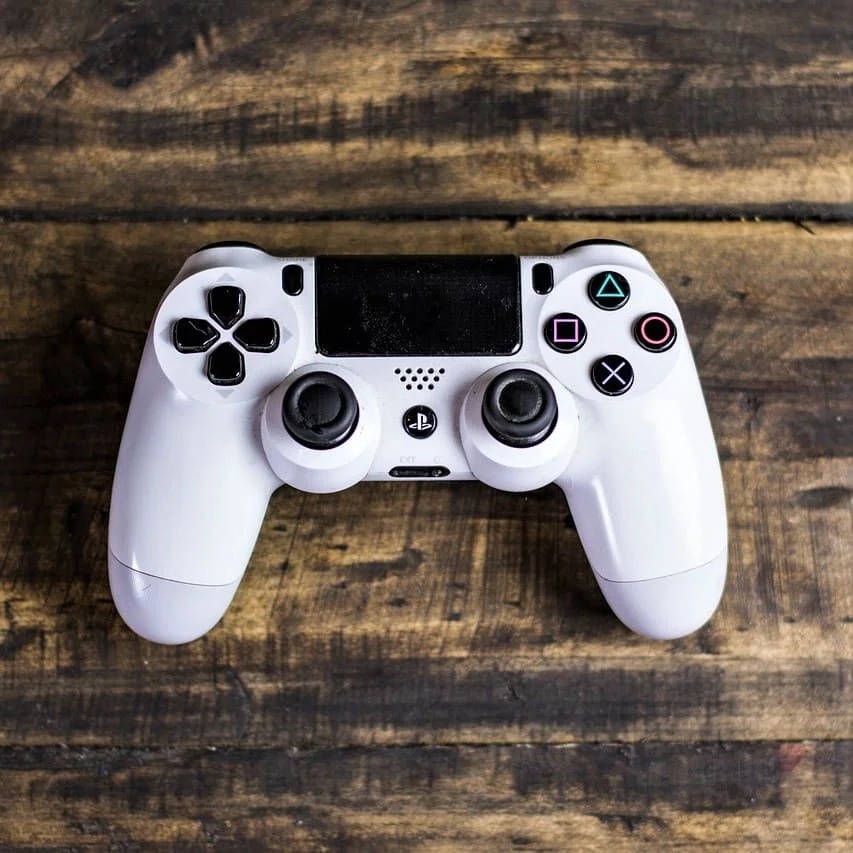
  • Control schemes - The game's control schemes may need to be adapted to fit the preferences of the target audience. For example, the layout of buttons on a controller may need to be changed to better match the preferences of players in the target region.
  • Rating and compliance - The game's rating may need to be adjusted to meet local regulations and cultural expectations. Compliance with local laws and regulations is essential for the game's success in the target market.
  • Network features - The game's network features may need to be adapted to work with local networks and internet connections. This may involve changes to the game's matchmaking or online gameplay features.
  • Compatibility with local hardware - The game may need to be adapted to work with local hardware, such as consoles, computers, or mobile devices. 
  • Bug fixing and testing - Testing the localized game for technical issues and bugs is essential to ensure that the game is stable and functional for the target audience.

As a reputable and experienced game localization service provider PoliLingua can help ensure that technical localization is handled professionally and with cultural sensitivity to ensure the best possible player experience.

Get a Free Test Translation

Steps of our professional game translation and localization

  • Determine your target audience - Identify the target audience for your game and the languages they speak. This will help you choose the languages that need to be translated and localized.
  • Choose a professional video game translation provider - Look for a reputable game translation provider with experience in translating games in your target languages. Check their credentials and client feedback.
  • Provide clear instructions - Provide clear instructions and guidelines to the video game translation provider about your expectations, game content, and the target audience.
  • Provide access to game files - Provide the video game translator with access to the game files, including game text, audio, and video content, to be translated.
  • Translation and localization - The game translation translators will translate and localize the game content, adapting it to the linguistic, cultural, and functional requirements of the target audience.
  • Quality assurance - The video game translator should carry out a quality assurance process to ensure that the localized game is free from linguistic, cultural, or functional errors and meets the target audience's expectations.
  • Testing - Test the localized game with members of the target audience to ensure that it is engaging and enjoyable for them.
  • Launch - Launch the localized game in the target market, and continue to monitor its performance and feedback to make any necessary adjustments.

It is important to work with professional video game translators who can deliver high-quality and culturally appropriate translations, which can enhance the user experience and help the game succeed in the target market.

Contact us to get a Free Quote

Contact us to get a Free Quote


Offering a free quote for video game localization services, we make it easy for you to get started. 

All you have to do is upload your documents into our request form and our experienced managers will contact you promptly to discuss the details.

Should you have any questions, please don't hesitate to reach out by phone or email us. We look forward to assisting you with your game localization project!

Frequently Asked Questions (FAQ)

The timeline for game localization varies depending on the size and complexity of the game, the number of target languages, and the volume of content. A small mobile game localization project may take a few days, while a large AAA title requiring full video game localization services across 10+ languages can take weeks or months. At PoliLingua, our project managers work closely with clients to establish realistic timelines without compromising on quality. We handle all stages of the video game localization process, from translation and cultural adaptation to LQA testing.

Video game localization is the process of adapting a game's content, including text, audio, graphics, and cultural references, to make it feel native to players in a target market. The video game localization process typically begins with extracting source strings, followed by translation, cultural adaptation, voice-over recording (if needed), and integration back into the game engine.

The game localization process involves multiple stages, content extraction, translation by native-speaking linguists, cultural and contextual adaptation, desktop publishing (DTP), quality assurance testing, and final integration. For best game localization services, it's essential that translators understand both the game's narrative and the target culture. We cover 100+ languages and all major game platforms. Whether you need a full game localization service or specific elements like UI strings, PoliLingua delivers quality you can ship.

Localization Quality Assurance (LQA) is the testing phase of the game localization process that verifies the accuracy, functionality, and cultural appropriateness of localised content within the actual game environment. It checks for issues such as text overflow, broken strings, mistranslations, and culturally inappropriate content that may have been missed during translation. PoliLingua's LQA service is an integral part of our video game localization services, carried out by bilingual testers who are experienced gamers themselves. By combining linguistic expertise with functional game testing, we ensure your localised game is polished and player-ready across all target markets.

The best time to start is as early as possible, ideally during development, not after the game is finished. Early involvement in the video game localization process, known as "internationalisation", allows developers to structure content so it adapts cleanly to multiple languages, avoiding costly rework later. This allows for simultaneous shipping across markets, reduces time to market, and often lowers overall game localization costs. 

Game translation refers to the direct conversion of text from one language to another, while game localization goes much further, it adapts the entire game experience to resonate with a specific cultural audience. This includes adjusting humour, cultural references, currencies, date formats, character names, and even visual elements. The video game localization process ensures that players in each market feel the game was made for them, not just translated for them.

Do you Need Assistance?

We are here to support you in obtaining a relevant quote for complex document translation, website localization, PDF translation, software localization, and any other translation-related projects.