

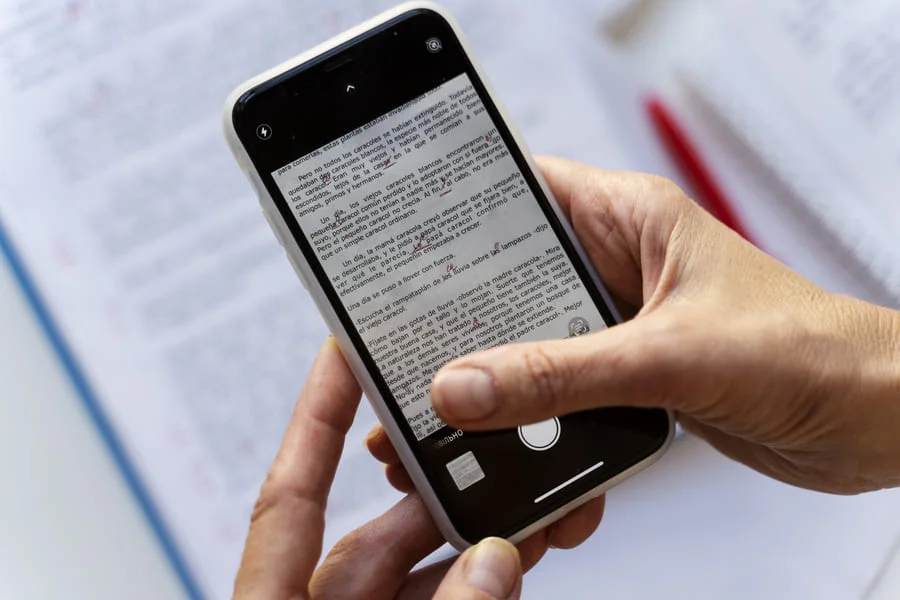
In recent years, document translation services have changed rapidly. Automation and artificial intelligence have dramatically reduced turnaround times and costs, making multilingual communication more accessible than ever. However, this progress has created a new challenge: declining translation quality and reduced accountability.
For businesses and individuals dealing with legal, financial, immigration, or academic documents, accuracy is non-negotiable. A single mistranslated clause or incorrect term can lead to serious consequences.
This article examines how over-reliance on AI impacts translation quality and how due diligence, including background verification of service providers, helps reduce risk.
The Overuse of AI in Modern Translation Services
AI-powered translation systems are impressive, but they are not infallible. Many translation agencies now operate with minimal human involvement, often skipping professional linguistic review altogether.
Common problems caused by blind AI usage
- Loss of contextual meaning
- Incorrect legal or technical terminology
- Inconsistent formatting and style
- Poor handling of idioms and cultural nuances
While AI can assist translators, fully automated pipelines often fail when precision is required.
Why Human Expertise Still Matters
Professional translation involves more than substituting words from one language to another. Skilled translators:
- Understand legal and cultural context
- Adapt terminology for target jurisdictions
- Maintain consistent tone and formatting
- Verify names, dates, and references
When AI output is not reviewed by qualified specialists, errors pass unnoticed, especially in large or complex documents.
Trust as a Key Factor When Choosing a Translation Provider
Quality is not only about language, it’s also about who you are working with.
Before sending sensitive documents to a translation provider, it’s important to assess:
1. Who owns or operates the service
2. Whether contact details are legitimate
3. If support channels are transparent and consistent
This is where information verification tools become useful.
Using ClarityCheck as Part of Due Diligence
Services like ClarityCheck help users verify phone numbers and email addresses associated with online businesses. When selecting a document translation provider, checking their publicly listed contact information can reveal inconsistencies or warning signs.
For example, running a basic check through ClarityCheck lookup phone number can help confirm whether a phone number is linked to real activity, reused across multiple dubious services, or entirely untraceable.
This type of verification does not replace linguistic evaluation, but it adds an extra layer of confidence when choosing who to trust with sensitive documents.
A Practical Framework for Evaluating Translation Services
Before placing an order, verify the following:
|
Criteria |
What to Look For |
|
Translation process |
Human review after AI assistance |
|
Transparency |
Clear ownership and contact details |
|
Communication |
Real support via phone or email |
|
Data handling |
Privacy and confidentiality assurances |
Red flags to avoid
- Extremely low prices for complex documents
- No named translators or editors
- Generic contact emails with no verification
- Fully automated service claims with no quality guarantees
Balancing Technology and Responsibility
AI will remain a powerful tool in document translation, but it should support professionals, not replace them entirely. Final accountability still lies with the service provider, and users must take an active role in evaluating who they work with.
Combining:
- thoughtful service selection
- human expertise
- and basic verification tools
leads to better outcomes and fewer risks.
Conclusion
As document translation services increasingly rely on AI, users must become more selective. Accuracy, transparency, and trust are just as important as speed.
Choosing a reliable translation provider means looking beyond marketing claims, checking workflows, verifying contacts, and ensuring real humans stand behind the service. Tools like ClarityCheck can play a small but meaningful role in that decision-making process, helping users protect both their information and their outcomes.