

Businesses seeking efficient and cost-effective translation solutions are increasingly turning to machine translation post-editing (MTPE). Whether your company requires a high volume of translations or aims to reduce costs, machine translation post-editing services offer a compelling option. This guide will help you implement MTPE effectively by breaking down workflows, costs, language pair suitability, and when to choose full vs. light post-editing. It is designed for business leaders, localization managers, and procurement teams looking to scale global communication with precision and efficiency.
What is Machine Translation Post-Editing (MTPE)?
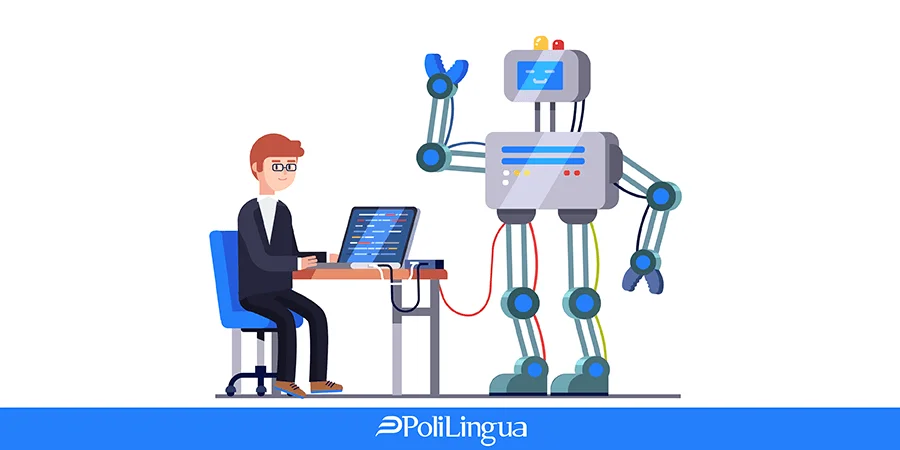
MTPE, or machine translation post-editing, is a hybrid translation process where content is first translated using machine translation (MT) software, then reviewed and refined by a human translator to ensure accuracy, fluency, and cultural appropriateness. Unlike traditional human translation, MTPE translation leverages advanced AI-driven tools to produce a draft translation quickly, which a professional editor then polishes. This approach combines the speed and cost-efficiency of machine translation with the precision of human expertise.
The MTPE meaning lies in its ability to balance quality and efficiency. Businesses use MTPE services for projects where speed and cost are priorities, but some level of human oversight is needed to meet quality standards. For instance, certified MTPE translation services ensure translations meet specific regulatory or professional standards, making them suitable for industries like legal, medical, or technical sectors.
What is an MTPE Project?
An MTPE project is any translation task that combines machine translation with human post-editing. These projects vary widely in scope and purpose, from translating user manuals and e-commerce product descriptions to localizing software interfaces or legal contracts. In 2025, MTPE projects are particularly popular for:
- High-Volume Content: Businesses with large-scale translation needs, such as global e-commerce platforms, use MTPE services to process thousands of words quickly.
- Time-Sensitive Projects: When deadlines are tight, MTPE translation delivers faster results than traditional human translation.
- Cost-Conscious Initiatives: Companies aiming to reduce translation budgets without sacrificing usability often opt for machine translation post-editing.
An MTPE project typically involves a project manager, an MT engine, and one or more post-editors, depending on the volume and complexity of the content.
How to Do MTPE Effectively
To execute MTPE translation successfully, follow these best practices:
- Choose the Right MT Engine: Select a machine translation tool optimized for your language pair. For instance, tools like DeepL or Google Translate perform better for European languages in 2025, while specialized engines may be needed for languages like Japanese or Arabic.
- Define Editing Levels: Decide whether light or full post-editing is appropriate based on the document’s purpose. Clearly communicate expectations to your MTPE services provider.
- Hire Skilled Editors: Work with linguists experienced in post-editing machine translation. They should understand both the source and target languages deeply and be familiar with MT limitations.
- Use Glossaries and Style Guides: Provide editors with terminology lists and brand guidelines to ensure consistency.
- Leverage Technology: Use translation management systems (TMS) to streamline workflows, track revisions, and maintain translation memories for future projects.
By following these steps, businesses can maximize the efficiency of machine translation post-editing services while maintaining acceptable quality levels.
Choosing the Right MTPE Workflow for Your Translation Goals
Rather than following a generic process, businesses must align MTPE workflows with their strategic goals:
- Light Post-Editing – Minimal changes; best for internal documents or time-sensitive communications.
- Full Post-Editing – Deep review for grammar, tone, and nuance; ideal for customer-facing content or technical manuals.
- Certified MTPE – For industries requiring legal or professional standards in translated content.
Other considerations:
- Do you use in-house editors or partner with a vendor?
- Will you integrate MTPE into a TMS?
- What level of QA review is necessary based on your audience?
Which Language Pairs Work Best for MTPE?
The effectiveness of machine translation post-editing depends heavily on the language pair. In 2025, MT technology has advanced significantly, but performance still varies:
- English to European Languages: Language pairs like English-Spanish, English-French, or English-German yield high-quality MT output due to similar grammatical structures and abundant training data. MTPE services for these pairs often require minimal editing.
- English to Non-European Languages: Pairs like English-Japanese, English-Chinese, or English-Arabic are more challenging due to structural and cultural differences. These require more extensive post-editing machine translation to achieve fluency.
- Rare Language Pairs: For less common languages (e.g., English-Swahili), MT quality may be lower, increasing the need for certified MTPE translation services to ensure accuracy.
When selecting MTPE services, confirm that the provider has expertise in your target language pair to minimize post-editing effort.
What Level of Accuracy Do You Need?
The required accuracy level is a critical factor in choosing machine translation post-editing. Consider the document’s purpose:
- Internal Use: For internal communications, such as emails or reports, where basic comprehension is sufficient, MTPE translation with light post-editing is often adequate. This approach is cost-effective and fast.
- Public-Facing Content: For marketing materials, websites, or legal documents, certified MTPE translation services with full post-editing are essential to ensure fluency, cultural relevance, and professionalism.
- Highly Specialized Texts: Technical manuals, medical documents, or legal contracts often require precise terminology. While MTPE services can handle these, extensive post-editing or full human translation may be necessary to meet industry standards.
In 2025, MTPE translation is rarely suitable for creative content like literature or advertising slogans, where nuance and wordplay are critical. Human translation remains the gold standard for such cases.
What Type of Text is Suitable for MTPE?
The nature of the text significantly impacts the success of machine translation post-editing. MT excels with:
- Formulaic Texts: User manuals, product descriptions, recipes, and FAQs written in clear, straightforward language are ideal for MTPE services. These texts have predictable structures, making MT output more reliable.
- Technical Content: Documents with standardized terminology, such as IT or engineering manuals, often work well with MTPE translation, provided glossaries are used.
- Repetitive Content: E-commerce platforms or software localization projects with repetitive phrases benefit from machine translation post-editing due to consistency in MT output.
Conversely, MTPE translation struggles with:
- Creative or Nuanced Texts: Marketing copy, literature, or content with idioms and wordplay often requires extensive post-editing, reducing cost savings.
- Highly Technical or Domain-Specific Texts: While MT can handle technical texts to some extent, human expertise is often needed for precision.
How Much Does MT Post-Editing Cost Per Word?
MTPE rates per word in 2025 vary based on several factors, including language pair, editing level, and provider expertise. On average:
- Light Post-Editing: $0.03–$0.08 per word, suitable for internal documents where minor errors are acceptable.
- Full Post-Editing: $0.08–$0.15 per word, ideal for public-facing content requiring fluency and accuracy.
- Certified MTPE Translation Services: $0.15–$0.25 per word, for specialized industries like legal or medical, where certification ensures compliance.
These rates are significantly lower than human translation, which can range from $0.15 to $0.30 per word or more. However, Machine translation post-editing rates per word depend on the complexity of the text and the extent of editing required. For precise pricing, consult providers at x.ai/api for tailored MTPE services.
Budget Considerations for MTPE
While machine translation post-editing is cheaper than human translation, cost shouldn’t be the sole deciding factor. MTPE translation is a distinct product from human translation, serving different needs:
- Cost-Driven Projects: If your goal is to understand the gist of a document (e.g., for internal analysis), MTPE services offer significant savings.
- Quality-Driven Projects: For polished, publication-ready translations, human translation may justify the higher cost, as even full post-editing machine translation may not match human fluency.
Evaluate your budget alongside other factors like quality and turnaround time to choose the best approach.
Time Frame and Document Length
MTPE translation excels in scenarios where speed is critical:
- Short Deadlines: Machine translation generates drafts instantly, and post-editing machine translation is faster than translating from scratch. For urgent projects, MTPE services can deliver results in hours or days, depending on volume.
- Long Documents: For large documents (e.g., 50,000+ words), MTPE translation is often more practical than human translation, which can take weeks. Agencies may split large projects among multiple editors to meet deadlines.
However, for small, high-stakes documents requiring perfect fluency, human translation may be faster overall, as MTPE translation can require significant post-editing time to achieve similar quality.
Is MTPE Right for You in 2025?
Choosing between machine translation post-editing and human translation involves balancing priorities:
- Opt for MTPE When: Speed and cost are critical, and the content is formulaic or for internal use. MTPE services are ideal for high-volume, time-sensitive projects like e-commerce localization or technical documentation.
- Choose Human Translation When: Quality, nuance, and cultural accuracy are non-negotiable, such as for marketing campaigns or legal contracts.
In 2025, certified MTPE translation services offer a powerful middle ground, combining AI efficiency with human expertise. By carefully assessing your language pair, accuracy needs, text type, budget, and timeline, you can determine whether MTPE translation is the right solution for your business.
For more information on machine translation post-editing services or to explore pricing, visit our dedicated page for tailored solutions.