

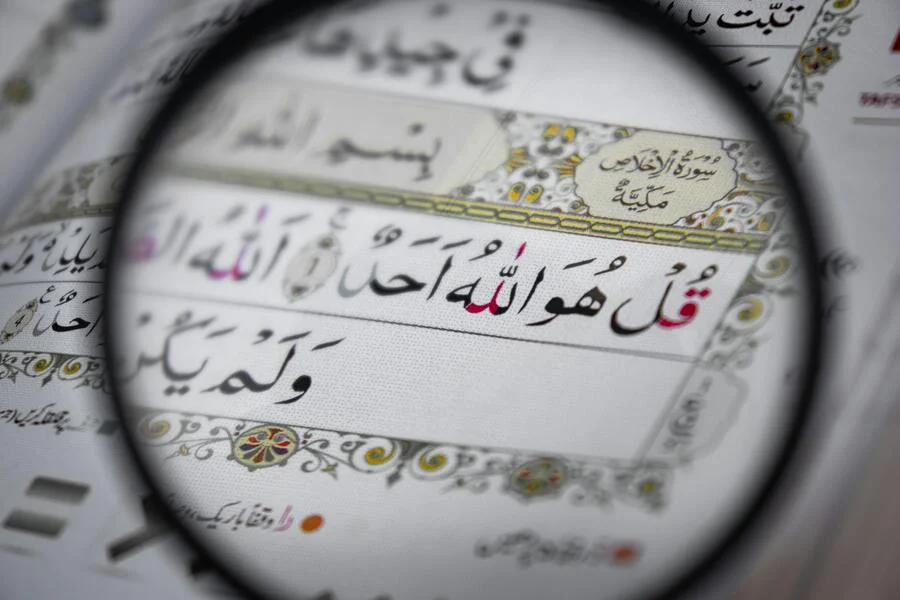
Pakistan is home to one of the world's most linguistically diverse populations, with over 70 languages spoken throughout the country. Understanding the language of Pakistan extends far beyond knowing a single tongue. The official language is English, while Urdu serves as the national language, yet numerous regional languages shape daily communication, business, and culture across this South Asian nation of over 230 million people.
The National Language of Pakistan
Urdu is the national language of Pakistan, spoken as a first language by approximately 70 million Pakistanis and as a second language by millions more. As the language of Pakistan's administration, media, and education, Urdu represents national identity and cultural unity across Pakistan's diverse provinces.
Urdu uses a modified Persian-Arabic script, written right-to-left, and features an extensive vocabulary influenced by Turkish, Persian, Arabic, and Sanskrit. The language developed during the Mughal period and became a lingua franca for the entire Indian subcontinent before Pakistan's independence in 1947.
The Official Language of Pakistan
While Urdu is the national language, English is Pakistan's official language. This dual-language reality reflects Pakistan's colonial legacy and continued international orientation. English is widely used in government, higher education, business, law, and technology sectors. Most Pakistanis in urban areas and educated circles are bilingual or multilingual, speaking both Urdu and English.
The language of Pakistan's business world is increasingly English, particularly in multinational corporations, technology sectors, and international trade. However, Urdu remains essential for domestic commerce, local government, and cultural participation.
Pakistan's Regional Language
Punjabi represents the language of Pakistan spoken by approximately 110 million people, making it the most widely spoken first language in the country. Concentrated primarily in Punjab Province, which comprises more than half of Pakistan's population, Punjabi possesses a rich literary tradition and cultural heritage.
Punjabi exists in both Shahmukhi (Persian-Arabic) and Gurmukhi (Sikh) scripts, reflecting the region's religious and cultural diversity. The language of Pakistan's Punjabi speakers includes numerous dialects and carries deep cultural significance, yet faces challenges in formal education and government recognition.
Languages Spoken in Pakistan's Northwest
Pashto is spoken by approximately 40 million people in Pakistan, primarily in Khyber Pakhtunkhwa Province and the tribal areas. As one of the major languages spoken in Pakistan, Pashto extends into Afghanistan and represents an important regional tongue beyond Pakistan's borders.
Pashto uses the Arabic script and features complex grammar and rich vocabulary. The language carries significant cultural weight among Pashtun communities and serves as a symbol of ethnic identity. Broadcasting, literature, and music in the language of Pakistan's Pashtun speakers reflect cultural pride and regional distinctiveness.
Sindhi and Regional Languages of Pakistan
Sindhi is spoken by approximately 25 million people in Sindh Province, representing another crucial language of Pakistan. Sindhi uses a modified Arabic script and features connections to both Urdu and other Indo-Aryan languages. The language maintains strong literary traditions and cultural significance in Sindh.
Additional languages spoken in Pakistan include Balochi, spoken by 4 million people in Balochistan, Saraiki, spoken by approximately 27 million people across multiple provinces, and Brahui, spoken by smaller populations. Each language of Pakistan represents distinct cultural identity and regional heritage.
Pakistan's Language Policy and Education
Pakistan's official language policy recognizes Urdu as the national language while maintaining English as the official language of government and higher education. However, regional languages lack official recognition in most provinces, leading to concerns about linguistic preservation and cultural identity. Primary education often begins in regional languages, transitioning to Urdu and English in secondary education.
This linguistic arrangement creates educational complexity and leaves millions of speakers of Pakistani languages facing challenges in accessing education, government services, and formal employment if they're not fluent in Urdu or English.
Language Considerations for Business in Pakistan
Successfully conducting business in Pakistan requires understanding this complex linguistic landscape. While English dominates international business and multinational corporations, domestic commerce often requires Urdu proficiency. Marketing and consumer engagement may require regional language adaptation, particularly in rural areas.
Companies entering the Pakistani market must navigate decisions about which languages to use for employee communication, customer service, marketing materials, and product localization. A one-size-fits-all approach ignores Pakistan's regional diversity and limits market reach.
Professional Pakistani Language Translation Services
The language of Pakistan's diverse business environment demands professional translation services. PoliLingua provides expert translation for all major languages spoken in Pakistan, Urdu, English, Punjabi, Pashto, Sindhi, Balochi, and more.
Whether you need Urdu translation for national marketing campaigns, regional language adaptation for specific provinces, or business document localization, PoliLingua's native-speaking translators understand Pakistan's linguistic complexity and cultural nuances. We help companies communicate effectively across Pakistan's diverse linguistic landscape.
Contact PoliLingua today to discuss your Pakistani language translation needs and discover how professional language services can help you succeed in this diverse, dynamic market.