

Professional translation is one of those services that looks simple from the outside and reveals its complexity only once you understand the process. Clients submit a few certificates, receive a timeline of two to three weeks, and assume something has gone wrong, a frustration that comes up regularly in professional communities. Nothing has gone wrong. What looks like a long wait for a short document is actually a structured workflow built around accuracy, legal compliance, and professional accountability.
Understanding what that workflow involves changes how you approach the entire process.
Certified Translation Is a Multi-Stage Professional Process
A certified translation is not a document that one person reads and rewrites in another language. It is a multi-stage process involving at least two qualified linguists, a project manager, a compliance review, and in many cases a layout specialist.
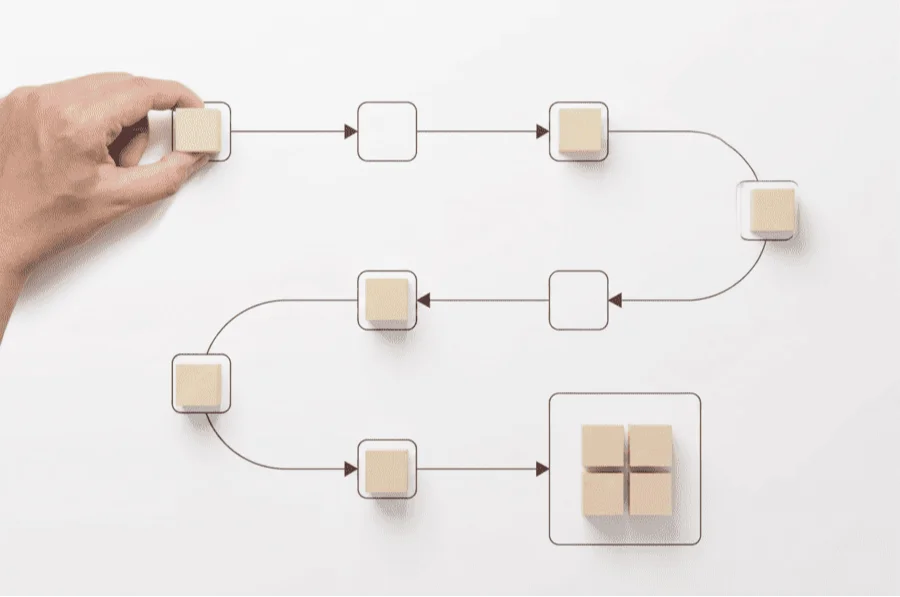
The standard workflow for certified translation services runs as follows, the source document is assessed for complexity, language pair, and format requirements, a qualified translator produces the first draft, a second linguist edits and verifies accuracy against the original, a proofreader checks the final text, and a compliance officer confirms that the certification statement meets the standards of the receiving institution. Only then does the document leave the agency.
Each of these stages has its own timeline, and each person involved is managing multiple projects simultaneously. Your document enters a professional queue, not a waiting room.
Official Documents Carry Zero Margin for Error
The reason certified document translation services apply such rigorous quality control comes down to what happens when they do not. Research confirms that legal translation errors can include up to 17% grammar errors, 14% vocabulary errors, and 7% graphic formatting errors, with formatting errors frequently resulting in document rejection by the requesting organisation.
For certificates, birth records, marriage documents, and anything requiring an apostille, the stakes are particularly high. These documents are submitted to government agencies, courts, immigration authorities, and academic institutions, bodies that apply strict acceptance criteria and reject submissions that fail to meet them.
Formatting matters as much as linguistic accuracy. The translated document must mirror the layout, structure, and visual organisation of the original, including the positioning of stamps, signatures, and official seals. When a client submits a photograph taken on a mobile phone rather than a clean digital scan, the translator must first reconstruct a legible working version before translation begins. That step alone adds significant time to the project.
Workflow Coordination Takes Time by Design
A professional translation agency operates as a coordination system, not a single-translator operation. When a project arrives, a project manager evaluates the source document, selects the right linguist based on language pair, subject matter expertise, and availability, confirms the assignment, and tracks delivery against the deadline.
Experienced agencies build buffer time into every deadline. This is not padding, it is professional risk management. A translator who encounters an ambiguous legal term needs time to research it correctly. A proofreader who identifies a terminology inconsistency needs time to resolve it. Buffer time exists so that quality control steps are never skipped under deadline pressure.
The result is a timeline that accounts for the full scope of the work rather than an optimistic estimate that falls apart the moment anything requires additional attention.
Machine Translation Is Not a Shortcut for Official Documents
The idea of processing documents through an automated tool and having a human review the output is appealing for speed and cost. For internal communications, marketing copy, or general reference material, machine-assisted workflows can be entirely appropriate.
For legal and official documents, they are not. Some providers report up to a 40% rejection rate in US immigration cases for machine-translated documents. USCIS, courts, and most government bodies require that certified translations be produced and signed by a qualified human translator. A machine-generated output with a human sign-off does not satisfy that requirement and will be rejected by the receiving institution. The financial consequences are significant. A single formatting error or an uncertified signature can trigger an immediate USCIS rejection, potentially costing an applicant over $700 in wasted filing fees and months of delays.
The timeline saved by using automated tools is far shorter than the timeline lost by restarting a rejected application.
How to Get the Fastest Legitimate Turnaround
Working within a professional translation workflow does not mean accepting the longest possible timeline. There are concrete steps that reduce turnaround without compromising the quality that keeps documents from being rejected.
Submit the clearest possible source files. High-resolution scans or original digital documents eliminate the reconstruction step that adds hours or days to projects involving photographed certificates. Request rush or priority services at the point of enquiry. Most professional certified translation services maintain capacity for expedited projects at a premium rate. That option is available, the key is asking for it upfront rather than after the standard timeline has been quoted and accepted.
For small personal document jobs involving one or two certificates, a qualified freelance translator who specialises in certified work can often deliver faster than a full agency, simply because the coordination layer does not apply. Professional directories maintained by organisations such as the American Translators Association (ATA) are reliable sources for finding vetted specialists.
Getting It Right the First Time
The timeline for professional certified document translation reflects what the work actually requires. Qualified linguists, legal compliance checks, formatting accuracy, and professional accountability cannot be compressed beyond a certain point without introducing the kind of errors that cause rejections.
The better question to bring to any translation project is not how to make it faster, but how to set it up correctly from the start, clear source files, the right type of service for the intended use, and a realistic timeline agreed upfront.
That approach consistently produces better outcomes than chasing speed at the expense of quality.