

The Farsi language stands as one of the world's oldest languages, with a literary tradition spanning over 2,500 years. Spoken by approximately 70 million native speakers and used by millions more as a second language, Farsi remains a crucial tongue in Middle Eastern, Central Asian, and South Asian business and culture. Despite its ancient roots, Farsi faces unique translation challenges that require specialized linguistic expertise.
Farsi Language Definition and Origins
The Farsi language, also known as Persian or Dari, represents the modern form of Old Persian, the language of ancient empires. Unlike Arabic, which is Semitic, Farsi belongs to the Indo-European language family, making it linguistically related to English, French, and Spanish. The name 'Farsi' refers specifically to the language as spoken in Iran, though the term is often used more broadly to describe Persian language variants.
Historically, the Farsi language became the administrative and cultural language of multiple empires, including the Sassanid Empire and later the Islamic Caliphates. This imperial heritage influenced the language's vocabulary, grammar, and cultural significance.
Farsi vs Persian
Many people ask: what is the difference between Farsi and Persian? These terms are largely interchangeable, though with important nuances. 'Persian' is the English linguistic term for the language, while 'Farsi' is the native term used by speakers in Iran. The confusion often arises because the language has different names in different regions and contexts.
In academic and international contexts, linguists typically refer to 'Persian language' as the umbrella term. However, within Iran, native speakers call it 'Farsi.' Understanding this distinction matters for professional translation work, as it reflects not just terminology but regional identity and language standards.
The Farsi Script From Ancient to Modern
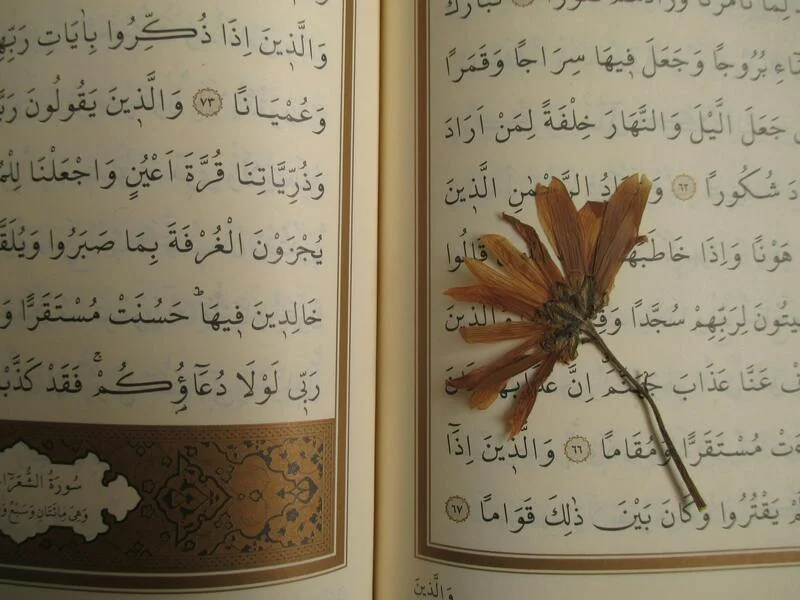
The modern Farsi language uses the Persian alphabet, an adaptation of the Arabic script with additional letters. The script flows right to left and contains 32 letters. Each letter can appear in four different forms depending on its position in a word, initial, medial, final, or standalone. This complexity makes Farsi typography and encoding particularly challenging for digital platforms.
Interestingly, despite borrowing the Arabic script, the Farsi language maintains pronunciation conventions that differ significantly from Arabic. The script adaptation represents centuries of linguistic evolution and cultural interaction.
The Farsi Dialects Dari and Tajik
The Farsi language exists in several major dialects, each with distinct characteristics. Dari, spoken in Afghanistan, represents an important regional variant with its own literary traditions and vocabulary specific to Afghan culture and geography. While mutually intelligible with Iranian Farsi, Dari incorporates distinct features and historical development.
Tajik, spoken in Tajikistan and parts of Uzbekistan, represents another significant Farsi dialect. Tajik uses Cyrillic script rather than the Persian alphabet, reflecting Soviet influence. For businesses working across the Persian-speaking world, understanding these dialectical differences proves essential for effective communication and localization.
Where Farsi is Spoken?
Iran remains the primary homeland of the Farsi language, where it serves as the official language spoken by over 70 million people. However, significant Farsi-speaking communities exist throughout the Middle East and Central Asia. Afghanistan has roughly 12 million Dari speakers, while Tajikistan hosts over 4 million speakers of the Tajik dialect.
Beyond these primary regions, diaspora communities of Farsi speakers exist in North America, Europe, and the Gulf states, creating diverse markets for Farsi language services and culturally-adapted content.
Grammar and Language Structure
The Farsi language employs a subject-object-verb sentence structure, differing from English's subject-verb-object pattern. This fundamental structural difference creates translation challenges, as direct word-for-word conversion produces unnatural or incorrect results. The language features complex verb conjugations, with tenses indicated through auxiliary verbs and prefixes.
Persian grammar includes sophisticated systems for expressing politeness, formality levels, and social relationships. These nuances, called registers, shift depending on the speaker's relationship with the audience. Professional Farsi translation must capture these social dimensions accurately.
The Challenge of Farsi Translation
Translating Farsi presents unique challenges that require specialized expertise. Beyond the obvious script and grammar differences, the language contains idioms, literary references, and cultural concepts with no direct English equivalents. Professional Farsi translation requires not just linguistic knowledge but deep cultural understanding.
Technical terminology in Farsi often differs between Iran, Afghanistan, and Tajikistan. A translator working on business or technical documents must understand these regional variations. Additionally, Farsi script rendering in digital formats requires specialized technical knowledge to ensure proper display and functionality.
Business Importance of Farsi Language Services
For companies targeting Iranian, Afghan, or Central Asian markets, professional Farsi translation is essential. Iran alone represents a market of over 88 million people with significant purchasing power, particularly in technology, education, and business services sectors. The Afghan and Tajik markets, though smaller, represent important trade corridors and emerging economic opportunities.
Cultural sensitivity in Farsi translation extends beyond language to understanding business etiquette, regulatory requirements, and consumer expectations in each regional market. Inaccurate or culturally inappropriate translation can damage brand reputation and hinder market penetration.
Professional Farsi Translation with PoliLingua
PoliLingua specializes in professional Farsi translation services, connecting you with native speakers who understand Iranian, Afghan, and Central Asian linguistic nuances. Whether you need website localization, business document translation, technical content adaptation, or marketing material translation, our expert translators ensure your message resonates authentically with Farsi-speaking audiences.
Our team navigates the complexities of Farsi language variants, script requirements, and cultural contexts. We deliver accurate, culturally-appropriate translations that help you succeed in Farsi-speaking markets. Contact PoliLingua today to discuss your Farsi translation requirements and unlock opportunities across the Persian-speaking world.