

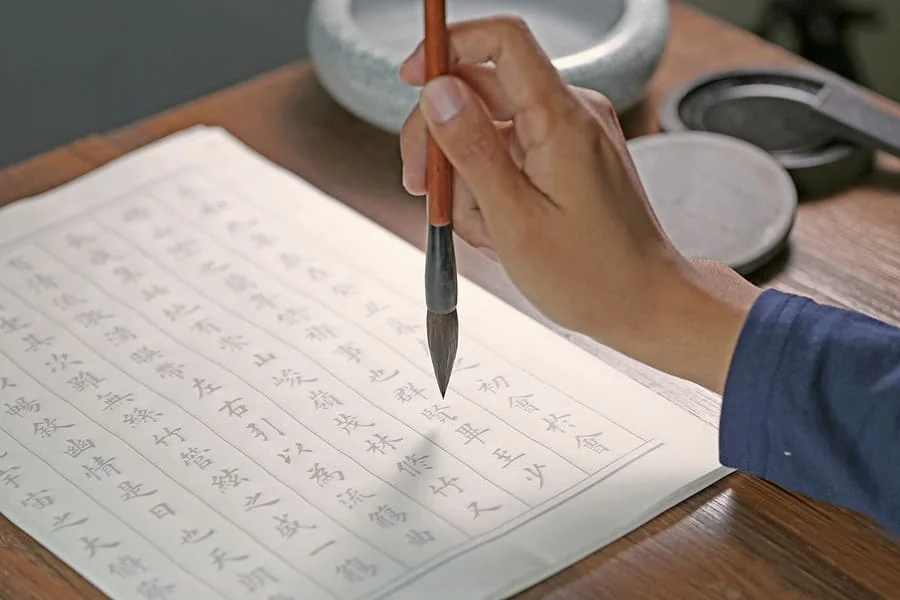
Understanding Chinese dialects is essential for anyone conducting business in China or seeking accurate Chinese translation services. The Chinese language encompasses far more than just Mandarin and Cantonese, it includes a rich tapestry of regional language varieties that significantly impact communication, translation accuracy, and business operations across Chinese-speaking regions.
The Seven Major Chinese Dialect Groups
Mandarin, or Putonghua (普通话), is the most widely spoken Chinese dialect with over one billion native speakers. It serves as the official language of mainland China and Taiwan, making it the dominant lingua franca across the region. Mandarin pronunciation features four tones, and its simpler grammar structure compared to other Chinese dialects makes it the foundation for Standard Chinese. For international business, Mandarin translation represents the most essential service, as it opens doors to China's vast economy.
Wu dialect speakers, numbering around 80 million, primarily inhabit the Yangtze River Delta region, particularly Shanghai and surrounding areas. This dialect is characterized by a complex tonal system and vocabulary differences that distinguish it clearly from Mandarin. Many business professionals in Shanghai maintain Wu as their mother tongue, making localized communication crucial for regional success. Wu translation services become necessary when targeting Shanghai's influential financial and manufacturing sectors.
The Min dialect family, spoken by approximately 70 million people across Fujian Province and by overseas Chinese communities, encompasses several sub-dialects including Hokkien and Taiwanese. Min dialects preserve older Chinese linguistic features and contain vocabulary unique to their regions. For companies expanding into Fujian or engaging with diaspora communities in Southeast Asia, understanding Min dialect variations proves invaluable. Professional translation that accounts for these regional variations ensures authentic communication with these markets.
Cantonese and Yue Dialects
Cantonese, or Yue dialect (粵語), is spoken by over 85 million people, primarily in Guangdong Province, Hong Kong, and Macau. Often cited as the Chinese dialect closest to ancient Chinese, Cantonese preserves nine tones and maintains distinctive vocabulary that separates it significantly from Mandarin. The Hong Kong financial market's prominence means Cantonese translation expertise directly impacts business success in this critical economic center. Despite Mandarin's increasing influence, Cantonese remains deeply embedded in Cantonese culture and daily commerce.
A critical distinction in Chinese dialects exists between written and spoken forms. Written Chinese employs Standard Modern Chinese grammar, which differs from spoken dialects in vocabulary and expression. For example, spoken Cantonese uses particles and expressions absent from written Chinese, while the written form maintains classical elements. This written-spoken divide means Chinese translation must account for medium, marketing materials require different approaches than instructional documents.
Additional Major Dialects
Hakka dialect serves around 50 million speakers scattered across multiple provinces and significant overseas communities. Gan dialect, with approximately 20 million speakers in central China, features distinctive phonological characteristics. Xiang dialect, spoken in Hunan Province by roughly 30 million people, maintains unique vocabulary and pronunciation patterns. Each of these dialects carries cultural significance and linguistic complexity that impacts translation accuracy. Dialect-aware Chinese translation services recognize these variations and adjust translation strategies accordingly.
Mutual Intelligibility and Communication Challenges
A common misconception suggests all Chinese dialects are mutually intelligible. In reality, speakers of different dialects often cannot understand each other without study or exposure. Mandarin and Cantonese speakers, for instance, typically cannot hold a conversation without one party switching to Mandarin. This mutual intelligibility challenge directly impacts business communication, customer service, and marketing efforts across China. Companies operating in multiple dialect regions must invest in proper localization and translation rather than assuming Mandarin suffices for all markets.
The relationship between Simplified and Traditional Chinese characters further complicates regional communication. Mainland China uses Simplified characters, while Hong Kong, Taiwan, and Macau traditionally employ Traditional characters. This distinction, combined with dialect differences, means that Chinese translation for documents destined for these regions requires not only language expertise but also character set knowledge. Incorrect character implementation can damage brand credibility and create communication barriers despite perfect dialect translation.
Business Implications of Chinese Dialect Awareness
For companies expanding into Chinese markets, understanding dialect geography becomes a strategic business decision. The largest consumer markets, Shanghai, Guangzhou, Hong Kong, each feature dominant dialects that significantly influence consumer behavior, marketing effectiveness, and customer loyalty. Attempting to reach these markets with only Mandarin communication overlooks the cultural and linguistic preferences of regional populations. Market research in Chinese-speaking regions must account for dialect preferences to identify optimal communication strategies.
Why Accurate Chinese Translation Requires Dialect Expertise
Professional Chinese translation services must extend beyond simple Mandarin competency. Expert translators recognize that effective translation captures not just linguistic content but also regional nuance, cultural context, and dialect-specific communication patterns. A phrase natural in Shanghai Wu might sound awkward in Guangzhou Cantonese or Beijing Mandarin. Translators working across Chinese dialects must understand these regional variations and adapt content appropriately. This expertise distinguishes professional translation services from basic machine translation approaches.
Specialized industries, finance, law, healthcare, marketing, require translators with dialect-specific expertise. A financial document translated into Shanghai Wu requires different terminology than one translated for Hong Kong's Cantonese-speaking banking sector. Marketing campaigns targeting Cantonese speakers must employ culturally appropriate expressions that resonate with Hong Kong and Guangdong audiences. This level of customization demands translators with deep regional knowledge, not merely Chinese language proficiency.
Getting Your Chinese Translation Right
As your business expands into Chinese-speaking markets, ensuring accurate, dialect-aware communication becomes paramount. PoliLingua's team of native speakers and dialect specialists delivers professional Chinese translation services tailored to your target market. Whether you need Mandarin translation for mainland China, Cantonese services for Hong Kong, or specialized translation for other Chinese dialects, our expertise ensures your message resonates authentically with regional audiences. Contact PoliLingua today to discuss your Chinese translation needs and discover how dialect-aware translation elevates your global business strategy.