

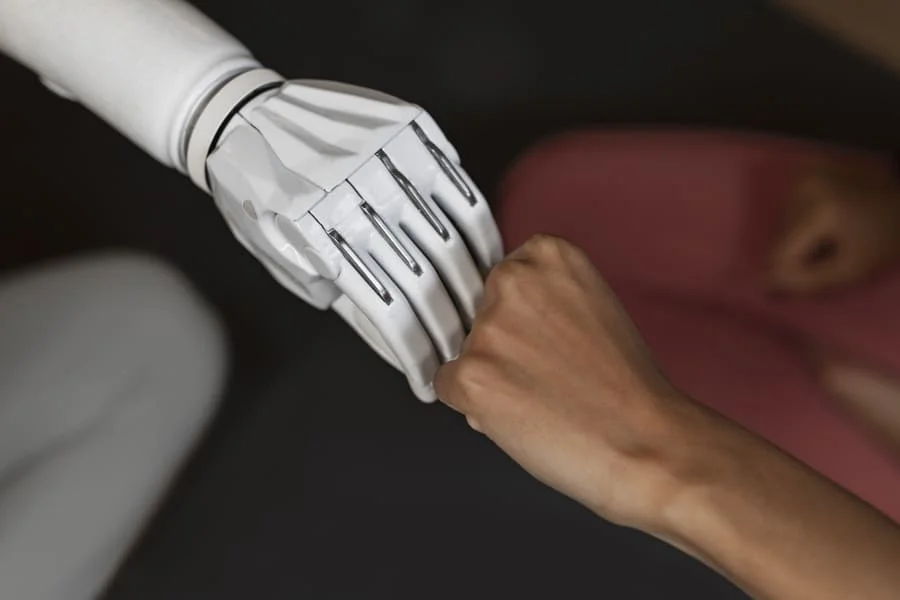
Artificial intelligence is changing the language industry at lightning speed. Freelance linguists, translators, copywriters, proofreaders and editors are asking the same question, can ChatGPT replace translators and other language professionals? The truth is nuanced AI ChatGPT can handle some tasks incredibly well, but it cannot fully replace human expertise. Understanding where the machine shines and where it fails is essential for anyone building a career in linguistics today.
What’s Really Happening in 2025 with AI in the Language Industry:
The adoption of AI translation tools has accelerated dramatically. Companies now use ChatGPT translation, DeepL, Gemini, and Claude to:
-
Generate marketing copy and social posts
-
Translate huge volumes of text instantly
-
Proofread and correct grammar at scale
This has reshaped freelance work. Surveys show:
-
75% of translators expect income to decline due to generative AI.
-
8% of illustrators and translators used it because they were asked by their publisher or commissioning organisation .
-
50%+ of freelancers saw requests drop, with average income falling nearly 30% since ChatGPT 3.5.
It’s no surprise many are rethinking their careers.
What ChatGPT and AI Can Do vs. What They Cannot
When people ask, “How accurate is ChatGPT translation?” the answer is: it depends and let’s break it down.
| Can Do | Cannot Do without humans |
|---|---|
| Provide fast, fluent drafts in many languages | Understand cultural nuance, humor, or irony |
| Handle bulk AI translation for simple content | Guarantee accuracy in legal, medical, or technical texts |
| Fix grammar, spelling, and basic style | Ensure bias-free, ethical, accountable output |
| Deliver quick ChatGPT translation for everyday needs | Replace creativity, storytelling, and persuasive copy |
| Automate repetitive proofreading and editing | Capture brand tone, transcreate slogans, or localize SEO |
ChatGPT excels in speed and volume, but human linguists win in nuance, creativity, and accountability.
Are Translators and Freelancers at Risk of Losing Work to AI?
The impact is already here. Freelance translators especially feel the squeeze, as clients turn to AI ChatGPT and other tools for cheap, fast results.
-
Microsoft ranked translators among the most exposed professions in 2025.
-
60% of linguists view AI negatively, and only 13% remain optimistic.
-
Yet, 84% expect demand for post-editing AI translation (MTPE) to rise and 88% already provide it regularly.
So while some tasks are disappearing, new services are emerging.
Why 2025 Is the Year of No Return
The truth is that 2025 is the year where AI stopped being a novelty and became an industry standard. For years, machine translation tools and early AI assistants were treated as experiments or shortcuts. But now, with the rise of AI ChatGPT and advanced AI translation platforms, businesses are no longer asking if they should use AI, they’re asking how much of their workflow can be automated. That’s why the question is not simply “Is ChatGPT replacing translators?” but rather “What role will human expertise play now that AI is the default?”
Why Clients Still Need Human Linguists in 2025
Even the best ChatGPT translation cannot replace:
-
Cultural adaptation, because brands need more than words, they need resonance.
-
High-stakes accuracy in legal, medical, or financial contexts, mistakes are unacceptable.
-
Creativity, because machines remix existing text, humans invent.
-
Accountability, as AI cannot take responsibility for errors, human can.
This is why many companies now brand their workflows as “AI-assisted, human-perfected.”
How Translators Can Thrive with ChatGPT and AI
Instead of fearing AI ChatGPT, the smartest freelancers learn to work with it. Here’s how:
-
Offer AI-postediting
Clients want speed + quality. You deliver the human layer.
-
Specialize in niches
Legal contracts, medical reports, UX writing all fields where “good enough” isn’t good enough.
-
Leverage cultural expertise
Go beyond AI translation by offering transcreation and multilingual SEO.
-
Act as an advisor
Help clients decide when to trust AI and when to invest in human expertise.
In fact, a 2025 study found AI-related freelance earnings rose 25% for those who embraced these hybrid strategies.
Will AI Fully Replace Freelance Linguists?
Can ChatGPT replace translators completely? The honest answer is no.
By 2030, AI will likely dominate repetitive, low-value tasks like bulk translation and proofreading. But human linguists won’t vanish, instead, they’ll evolve into:
-
Strategic partners guiding clients in content and localization strategy
-
Creative specialists crafting persuasive copy, slogans, and brand storytelling
-
Hybrid professionals combining AI translation with human oversight
The career isn’t ending, it’s transforming.
So, AI translation and ChatGPT translation are reshaping the industry by automating simple, repetitive tasks and driving down the cost of bulk work. But when it comes to cultural nuance, creative storytelling, and high-stakes accuracy, human translators remain irreplaceable. For freelancers, this shift is both a challenge and an opportunity. The linguists who adapt by embracing AI as a tool and showcasing uniquely human skills won’t just protect their careers, they’ll expand them. ChatGPT is not replacing translators, it’s transforming the profession and those who evolve with it will define the future of the industry.